Now Reading: Spider-Man: Brand New Day Review: Tom Holland’s Best Outing Yet
-
01
Spider-Man: Brand New Day Review: Tom Holland’s Best Outing Yet
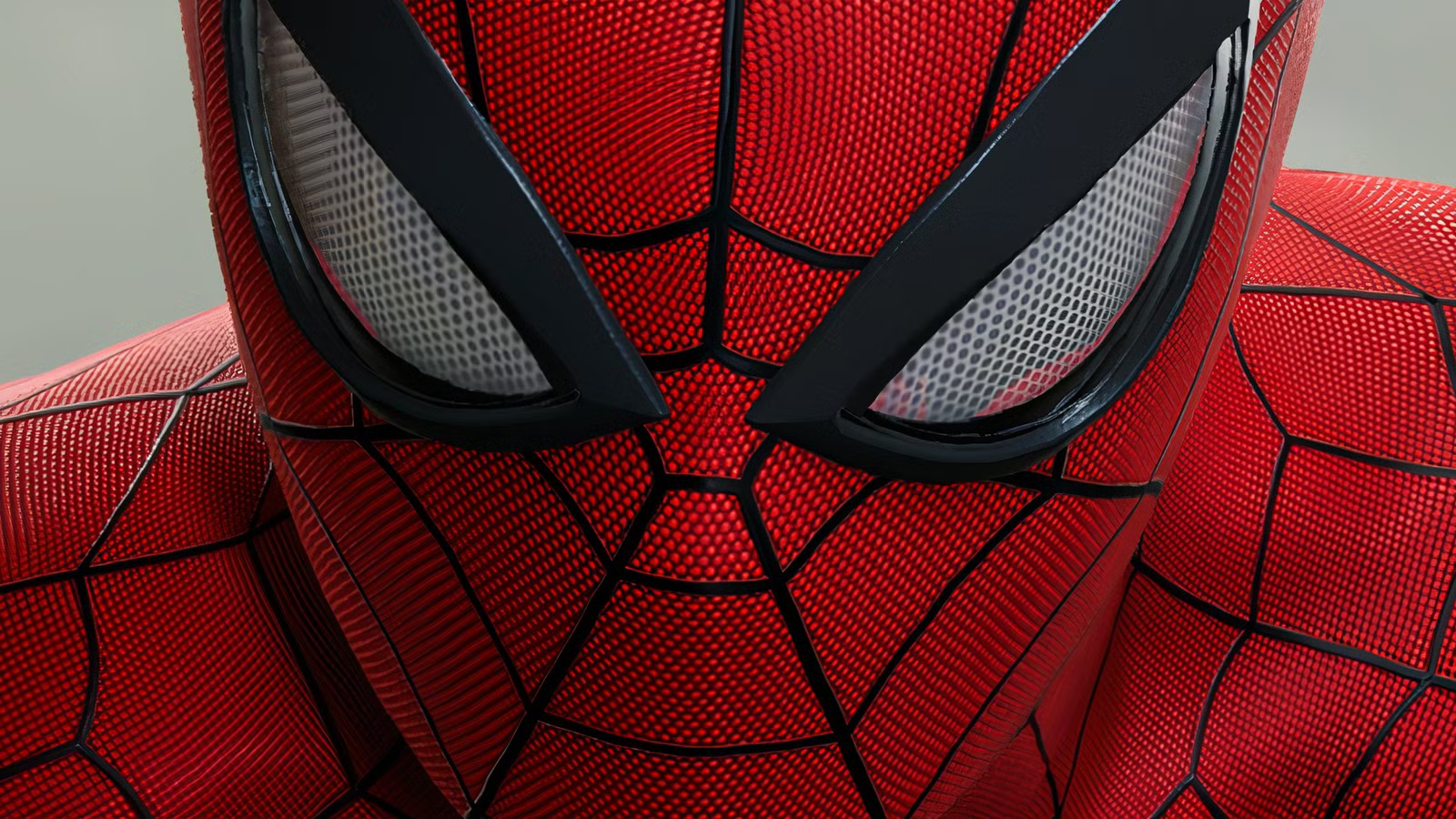
Peter Parker walks through a version of New York that has no idea who he is, and that single fact does more heavy lifting in Brand New Day than any villain, any set piece, any callback could. Doctor Strange’s spell at the end of No Way Home didn’t just erase Peter’s identity from the world. It erased his place in it. MJ has moved on. Ned has moved on. Aunt May is gone. Peter is out there every single night doing the job because it’s the only piece of his old life he still has full ownership of, and Destin Daniel Cretton builds an entire film around what that kind of isolation does to a person who used to define himself by the people around him.
This is the fourth time Tom Holland has played this character across eight years of MCU releases, and it’s the first time the movie fully trusts him to carry a story about loneliness instead of spectacle. That trust pays off completely.
A Smaller Story That Knows Exactly What It’s Doing
Every Spider-Man movie in this run has had to compete with the size of the universe around it. Homecoming had Tony Stark’s shadow hanging over it. Far From Home had Mysterio’s illusions and a dead Iron Man to process. No Way Home had three generations of Spider-Men, five villains, and a multiverse-ending stake. Brand New Day is the first one that gets to just be about Peter, and the difference is obvious within the first twenty minutes.
Cretton, working from a script credited to Chris McKenna, Erik Sommers, and Justin Kuritzkes, resists the urge to open big. Peter is doing street-level work, the kind Kevin Feige has talked about wanting to bring back to this corner of the MCU, stopping muggings and car thefts and the unglamorous stuff that made the early Sam Raimi films feel lived-in. There’s no armor upgrade montage, no Stark tech to lean on. It’s just Peter, an apartment he can barely afford, and a body that’s starting to betray him in ways he doesn’t understand yet.
That last part is where the movie gets genuinely bold.
The Mutation Storyline Is the Best Idea This Franchise Has Had in Years
Somewhere between the stress of living a double life with zero support system and whatever radioactive spider biology has been quietly doing to him for a decade, Peter’s body starts changing. Organic webbing tears through his skin where his shooters used to sit. His eyes go fully black in moments of extreme stress or violence. He’s losing time, blacking out, waking up in places he doesn’t remember getting to.
It would have been easy for the film to treat this as a cool power-up. Instead it plays like body horror, and it works because Holland commits to it as something closer to a diagnosis than an ability. There’s a version of Peter Parker underneath all this who is genuinely afraid of what he’s turning into, afraid that the thing that made him a hero might be the same thing that eventually takes him over completely. That fear is written all over Holland’s face in scenes that have nothing to do with punching anybody.
The film draws visibly from Spider-Man comic arcs like The Other, where Peter goes through a similarly brutal transformation involving blackouts, animalistic instinct, and a fight for control over his own biology. Bringing that material into live action and giving it to an actor who’s spent a decade building goodwill as this specific, likable version of the character is a genuinely gutsy swing, and it mostly lands. When Peter finally rips off the inhibitor tech he’s been using to suppress the mutation and lets his organic abilities take over on his own terms, it doesn’t feel like a power-up cutscene. It feels like a person deciding to stop being afraid of himself.
Tom Holland Finally Gets to Play Both Halves of the Character at Once
Here’s the thing about Holland’s Spider-Man that’s taken four movies to fully click into place. He’s always been great at Peter Parker the kid, and great separately at Spider-Man the wisecracking hero, but the two have rarely felt like the same person carrying the same weight in the same scene. Brand New Day closes that gap.
The exhaustion is physical. The grief over Aunt May and the estrangement from MJ and Ned sits behind his eyes even in scenes where he’s cracking jokes mid-swing. When the mask comes off, there’s no tonal reset, no snapping back into “regular Peter” mode. It’s the same guy, just without the reflexive humor he uses to keep the crowd from seeing how bad things actually are. That’s a hard needle to thread for any actor, let alone one who’s been playing the same role since he was a teenager, and Holland threads it. This is, without qualification, the best he’s ever been in this suit.
Jon Bernthal’s Punisher Is the Funniest Thing in the Movie, and the Movie Knows It
Frank Castle showing up in a Spider-Man movie sounds like a mismatch on paper. Peter won’t let a mugger get seriously hurt. Frank solves problems with a rifle and doesn’t lose sleep over it. That gap is exactly where the film finds its comedic engine, and Holland himself has talked about the dynamic evolving from open hostility into something like a big brother, little brother relationship neither of them would ever cop to out loud.
It’s the funniest Spider-Man has been allowed to be in years, and it never once undercuts the heavier material sitting right next to it. Castle has zero patience for Peter’s moral hand-wringing, Peter has zero patience for Castle’s methods, and their scenes together crackle precisely because neither actor is playing for easy laughs. The comedy comes from the friction being real. When Frank ends up sheltering Peter at a hideout later in the film, the tension between the two of them, half exasperation and half something close to respect, gives the back half of the movie a jolt of energy right when it needs one most.
Feige’s comment about wanting street-level crime instead of world-ending stakes shows up most clearly in these scenes. Castle isn’t here to fight a cosmic threat. He’s here because he and Peter occupy the same city and keep running into the same kind of trouble, and that grounded quality is a big part of why the film feels different from everything else Marvel has released this phase.
Mark Ruffalo’s Banner Is More Than a Cameo
Bruce Banner turning up to help Peter make sense of what’s happening to his body could have played as a five-minute check-in scene and nothing more. Instead the film treats Banner as someone who genuinely understands what it means to lose control of your own biology, and the scenes between him and Peter carry real emotional stakes. Banner has lived an entire life managing a version of exactly what Peter is going through, and watching him try to help without being able to promise Peter it ends well gives the film one of its more quietly devastating throughlines. When the Hulk side of that equation eventually reasserts itself later in the movie, it lands with weight instead of feeling like a random action beat bolted onto the plot.
Sadie Sink Is the Film’s Best-Kept Secret
Marvel and Sony managed to keep Sadie Sink’s role almost entirely under wraps through the entire marketing campaign, and that restraint pays off. Without spoiling where her character’s story goes, her presence pulls Brand New Day into territory the trailers barely hint at, and the way her arc intersects with Peter’s mutation storyline gives the back third of the film a different kind of urgency than a standard MCU climax. It’s rare for a movie this size to actually protect a reveal this well, and rarer still for that reveal to feel earned rather than gimmicky once it lands.
MJ and Ned Get Less Time, and It Still Works
Zendaya and Jacob Batalon aren’t given nearly as much screen time as they’ve had in past entries, and that’s clearly by design. Peter has been erased from their lives, and the film is committed to sitting inside that absence rather than finding convenient reasons to bring the old trio back together early. When MJ and Peter do share space, even briefly, it carries the weight of two people who used to be everything to each other and now have to relate like strangers who happen to recognize something familiar in one another. Ned’s few scenes hit similarly hard, built around small human details rather than nostalgia for its own sake.
The Action Has Genuine Stakes for the First Time in a While
Because Peter’s mutation makes him unpredictable, every fight in this movie carries a different kind of tension than the usual MCU set piece. There’s a real question, scene to scene, of whether Peter can keep himself under control, whether the black-eyed version of Spider-Man is going to hurt someone he doesn’t mean to. That uncertainty makes the choreography land harder than pure spectacle usually does. The Hand shows up wielding weapons specifically designed to shred Peter’s webbing, forcing him to adapt on the fly, and the fight logic of the film stays coherent and grounded even as the scale increases in the back half.
Michael Giacchino’s score deserves real credit here too. Rather than leaning on the triumphant Homecoming theme wholesale, the music strips pieces of it away throughout the film, a deliberate choice that mirrors what’s happening to Peter’s sense of self. It’s a small touch, the kind most audiences will feel without consciously registering why, and it’s exactly the sort of craft decision that elevates a comic book movie into something more considered.
TL;DR (For The Skippers)
- Peter’s still erased from everyone’s memory post-No Way Home, working solo with zero support system
- His body’s turning on him: organic webbing, blackouts, full black eyes when he loses control, played as body horror instead of a cool upgrade
- Holland finally nails both Peter and Spider-Man in the same scene instead of switching between them
- Jon Bernthal’s Punisher is the funniest thing in the movie, hate-to-brothers dynamic with real teeth
- Ruffalo’s Banner isn’t a cameo, he’s the one person who gets what Peter’s going through
- Sadie Sink’s role is kept genuinely secret and worth protecting for yourself
- Smaller and more personal than No Way Home, but sets up a ton for what’s next
- Verdict: best Spider-Man movie since SpiderMan 2, highly recommended
Where This Leaves Spider-Man, and the MCU
What makes Brand New Day stand out isn’t just what happens on screen. It’s what the film sets up for everything after it. Between the mutation storyline, Sink’s still-unfolding role, and the door this leaves open for Banner’s arc, this is clearly not a self-contained detour. It’s a foundation. Whatever comes next for Holland’s Spider-Man, and whatever this quietly sets in motion for the wider MCU heading into the next round of Avengers films, this movie has the confidence to trust its audience to sit with a smaller, more personal story first.
That confidence is the whole reason this works. Marvel could have made another multiverse-scale event to chase the numbers No Way Home put up. Instead they made a movie about a kid who lost everyone who used to know him, whose own body is starting to feel like a stranger’s, and who has to figure out who he is with absolutely nobody around to remind him. That’s a much harder movie to make well, and Cretton, Holland, and the entire cast pull it off.
Smaller in scope than No Way Home. Bigger in what it promises. This is the best Spider-Man film since SpiderMan 2, and it earns that comparison scene by scene instead of riding on nostalgia. Highly recommended.
AJ Hanson has been part of games media since 2011, writing, streaming, and ranting about the industry long before it was his job. He runs the Galaxy’s Edge Discord, the go-to community for fans of Disney’s Star Wars parks, and works as Marketing Director for the Virtual Cantina Network, helping produce shows, interviews, and fan events. A lifelong Star Wars fan and unapologetic nerd, AJ’s focus has always been on building spaces where people can connect, argue, and celebrate the things they love without all the corporate gloss.