Now Reading: Forsaken Realms: Vahrin’s Call Review
-
01
Forsaken Realms: Vahrin’s Call Review
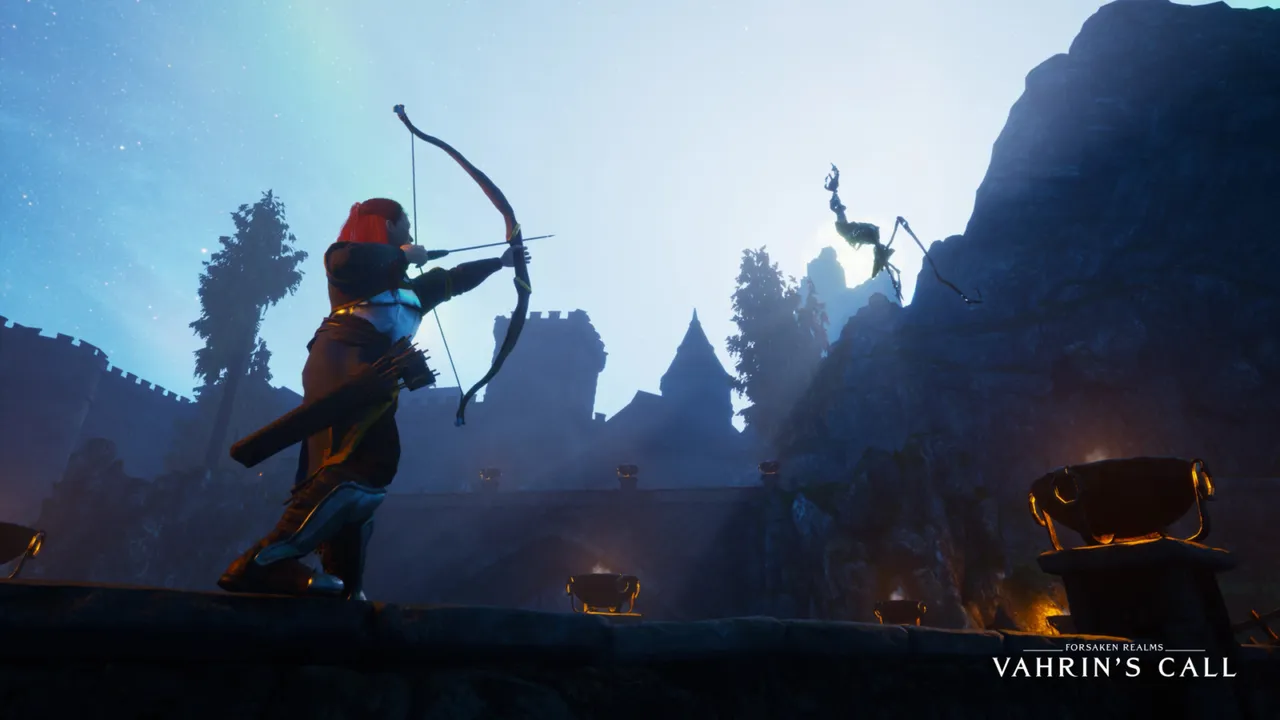
There’s an Elder Scrolls VI-shaped crater in the middle of the RPG genre right now, and every indie studio with a fantasy pitch and a Kickstarter dream has been lining up to try and fill it. Most of them get laughed out of the room. Titan Roc, a seven-person self-funded studio out of the South-West of England, decided to just… build the thing instead. No publisher. No hype machine. Just a war-torn city, a classless progression system, and a mercenary looking for their next opportunity.
Vahrin’s Call shouldn’t work as well as it does. And it also doesn’t work as well as it should. Welcome to the murky middle ground.
TL;DR For The Skippers
- Seven-person indie studio built a massive, handcrafted open world. The scale is the real flex here.
- Classless progression lets you build any playstyle out of weapons, magic, alchemy, and traps with zero forced lane.
- Combat is floaty and the UI/inventory needs polish. Don’t come in expecting Elden Ring feedback.
- Story is dense and linear, and the political web of allegiances asks for more patience than it earns.
- Steam Deck and performance issues are getting patched steadily post-launch.
- Verdict: YOUR CALL. Worth it if you want to get lost in a new world and can push through a rough start. Wait for more patches if tight combat and smooth onboarding matter to you.
The World of Leyda Is Bigger Than It Has Any Right To Be
The setup is simple: the city of Vahrin is on the brink of collapse, war has torn the region apart, and you’re a mercenary with no allegiance beyond your own wallet. From there, Titan Roc throws you into Leyda, a world split between eternal darkness on one side and scorched sunlight on the other, and lets you loose.
The scale here is the headline. This is a seven-person team building a handcrafted, third-person action-RPG with the kind of environmental density you’d expect from a studio ten times the size. Every corner of Vahrin feels intentional. Nothing is copy-pasted filler. You can tell the team spent their limited hours on the things that matter, and exploration is genuinely the strongest pillar of this game.
Where it stumbles is the story delivery. Dialogue is linear, the political web of shifting allegiances gets dense fast, and if you’re not the type to read every codex entry, you will lose the thread. This isn’t Dragon Age or Lord of the Rings levels of lore, but it asks for that kind of patience without always earning it. The game is also fully voiced, which makes it genuinely jarring when your own character occasionally goes silent and falls back on subtitles mid-conversation. It’s a small thing. It sticks out anyway.
Classless Progression Is the Real Star
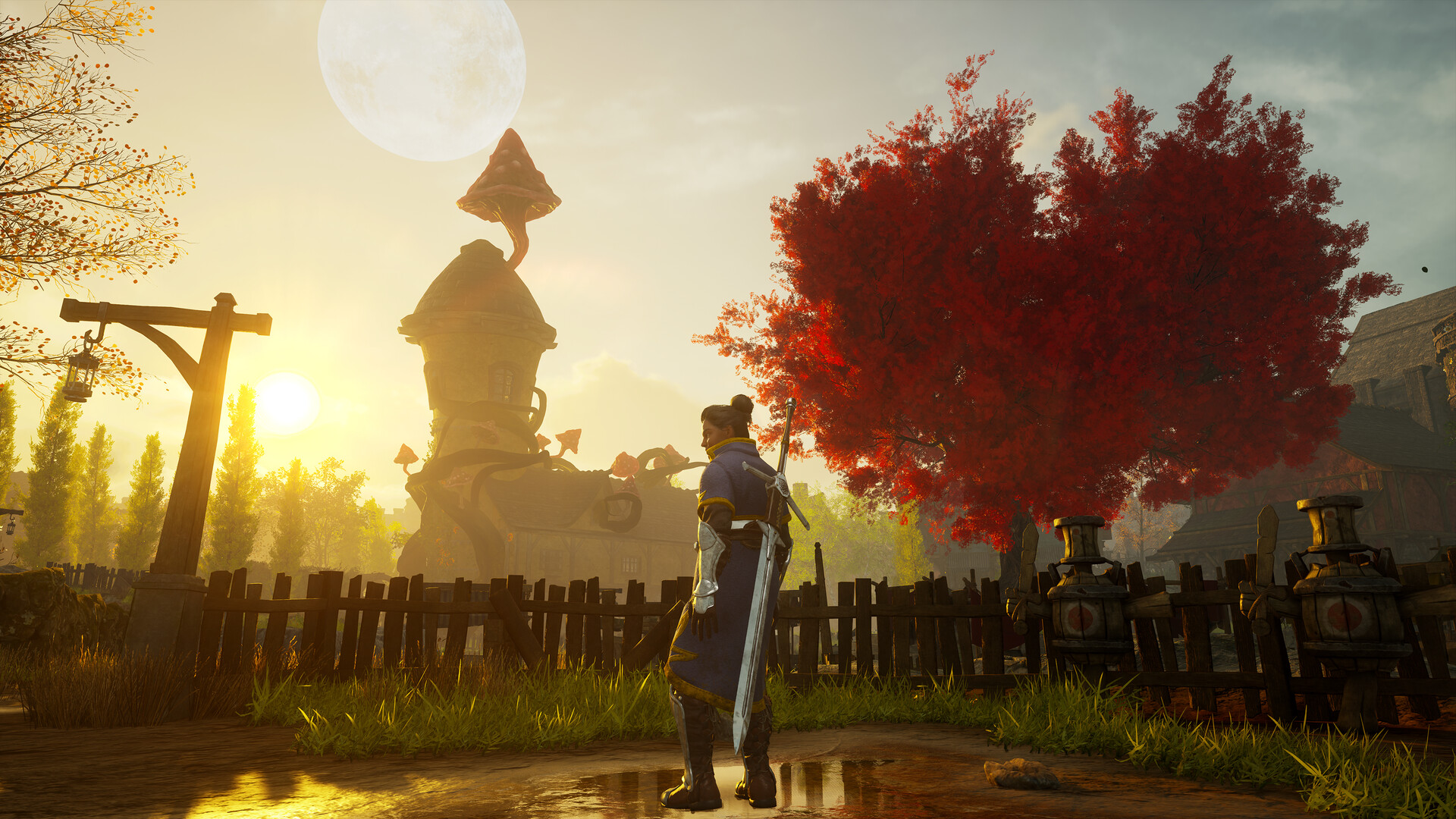
Combat and character building are where Vahrin’s Call makes its case. There’s no class selection screen forcing you into a lane. You pick up weapons, armor, magic, alchemy ingredients, and traps, and you build whatever version of yourself you want. Want to be a trap-laying alchemist who occasionally swings a warhammer? Go for it. Want a pure spellblade? The game hands you the tools and gets out of the way.
The combat itself pulls from modern action games with combo strings and weapon variety, but it’s got an old-school weight to it that won’t be for everyone. Movement can feel floaty, hits don’t always land with the crunch you’d want, and the UI and inventory management need real polish. None of that tanks the experience, but it keeps this from feeling like a fully realized product. This is a game still figuring out its own identity in the moment-to-moment, even while the bigger picture systems around it are firing.
Where It’s Rough, It’s Rough
Let’s not dress this up. Crafting menus are clunky. The floaty combat feel will bounce off players who came from something like Elden Ring or God of War expecting immediate feedback. Steam Deck performance out the gate needed real tuning before it became a comfortable handheld experience, and Titan Roc has been patching steadily since launch, including hotfixes for loading menu issues on Steam Machine.
This is an indie team building at AAA scope with AAA ambition on an indie budget and an indie-sized crew. The seams show. But the seams show because they were reaching for something bigger than their headcount, not because they got lazy.
The Verdict
Forsaken Realms: Vahrin’s Call is a genuinely impressive swing from a tiny team that built a massive, handcrafted world with a progression system that actually respects player creativity. The exploration and character building carry real weight. But the floaty combat, dense unexplained lore, and rough UI keep this from being an easy recommendation for everyone.
If you’re the type who wants to get lost in a new world that wasn’t made by Bethesda or built off someone else’s IP, and you’ve got the patience to push through a rocky opening stretch, there’s a real game here worth your time. If you need your combat tight and your onboarding smooth, wait for a few more patches.
YOUR CALL
Check out our other reviews here.

AJ Hanson has been part of games media since 2011, writing, streaming, and ranting about the industry long before it was his job. He runs the Galaxy’s Edge Discord, the go-to community for fans of Disney’s Star Wars parks, and works as Marketing Director for the Virtual Cantina Network, helping produce shows, interviews, and fan events. A lifelong Star Wars fan and unapologetic nerd, AJ’s focus has always been on building spaces where people can connect, argue, and celebrate the things they love without all the corporate gloss.